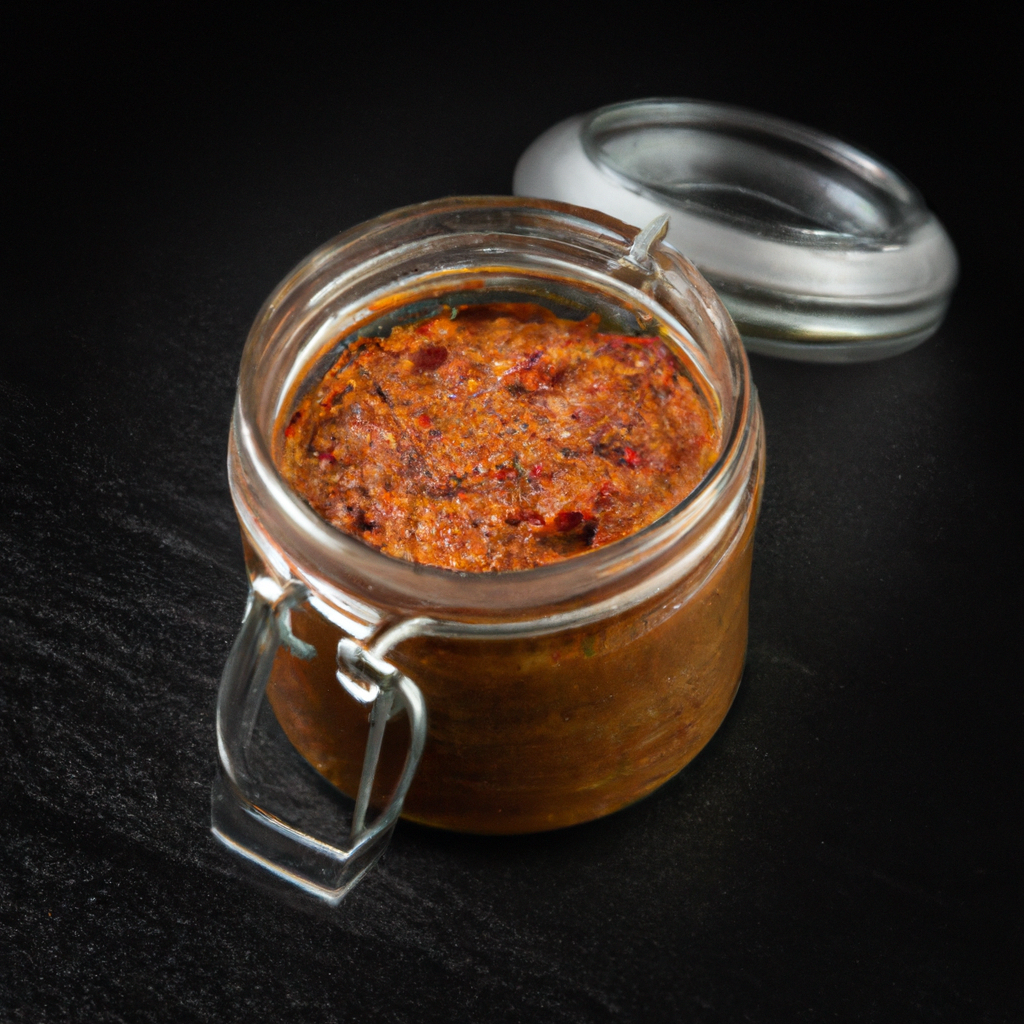
What is ssamjang?
The name combines ssam and jang. Ssam is the wrap of lettuce leaf, meat and sides, and jang is the Korean word for seasoning paste. At a Korean grill table you lay a piece of meat on a lettuce leaf, add a dab of ssamjang, then a slice of garlic or chili, and eat the little parcel in one bite. Asian grocery stores sell ready-made ssamjang in a green plastic tub. Homemade tastes fresher, because you fold in the garlic and scallion only shortly before eating.
The ingredients for ssamjang
- Doenjang: The fermented soybean paste makes up most of the mix and brings salt and depth. As a substitute, use dark miso, which tastes milder and sweeter. The article on Doenjang explains varieties and where to buy it.
- Gochujang: The chili paste adds heat, red color and some sweetness. You will find heat levels and substitutes under Gochujang.
- Sesame oil and sesame seeds: Use toasted, dark sesame oil. Light, cold-pressed oil brings hardly any roasted flavor.
- Honey: It rounds off the saltiness. In Korea many cooks use rice syrup or sugar, and both work.
The ratio of doenjang to gochujang
The recipe card uses 2 parts doenjang to 1 part gochujang. The paste then tastes mostly of beans and the heat comes in the finish. With fatty pork belly you can go 1 : 1, because the heat holds up against the fat. For children or with fish, cut the gochujang to 1 tsp. If the paste feels too stiff, stir in 1 to 2 tsp of water or rice vinegar. It then spreads with a spoon and clings to the lettuce leaf.
Ssamjang as a Korean BBQ sauce
At Korean BBQ there are usually two dips on the table: ssamjang and gireumjang, a small dish of sesame oil with salt and pepper. Ssamjang goes best with pork, for example with Samgyeopsal from the table grill or with the steamed meat of Bossam. With marinated meat such as Bulgogi you use less, since the marinade already salts the meat. Good wraps are butter lettuce, oak leaf lettuce, perilla leaves and the inner leaves of napa cabbage. For four people at the grill, plan on double the recipe card, so 4 tbsp doenjang and 2 tbsp gochujang. Give everyone their own small dish, so nobody dips a bitten wrap into the shared bowl.
Other uses
- Vegetable dip: Dip cucumber, bell pepper and raw carrot sticks straight into the paste.
- Rice bowl: Stirred with 1 tsp sesame oil, ssamjang replaces the gochujang sauce on Bibimbap.
- Marinade: Stir 2 tbsp ssamjang with 1 tbsp soy sauce and marinate chicken thighs in it for 1 hour before grilling.
Storage and common mistakes
In a closed jar, ssamjang keeps in the fridge for about a week. The raw garlic gets sharper day by day. For a stock, mix only doenjang, gochujang, sesame oil and honey. This base paste keeps for several weeks, and the garlic and scallion go in just before serving. The paste turns too salty with a dark, long-aged doenjang. A spoonful of ground sesame or mashed tofu balances it.